
MetabolicTesting
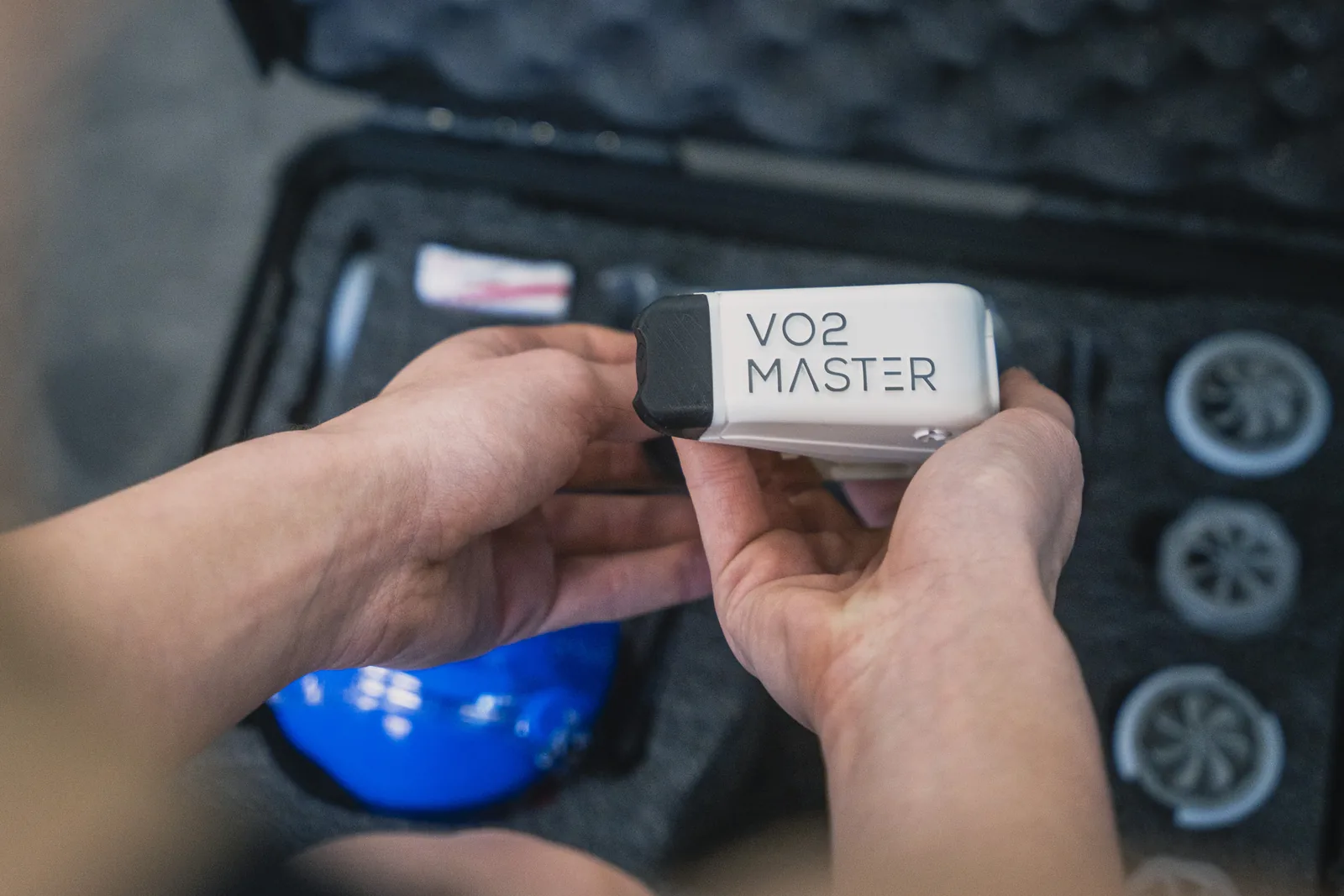
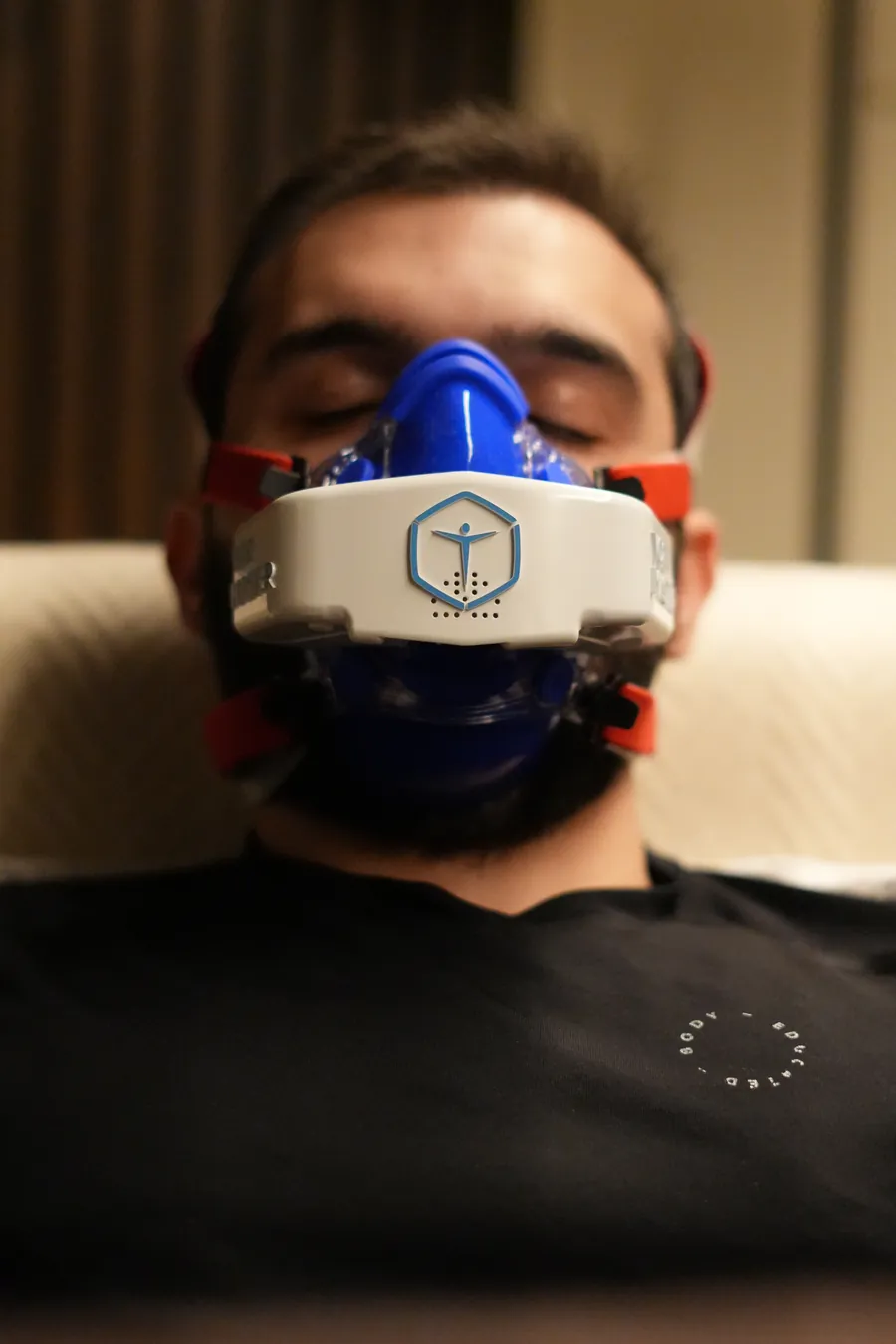
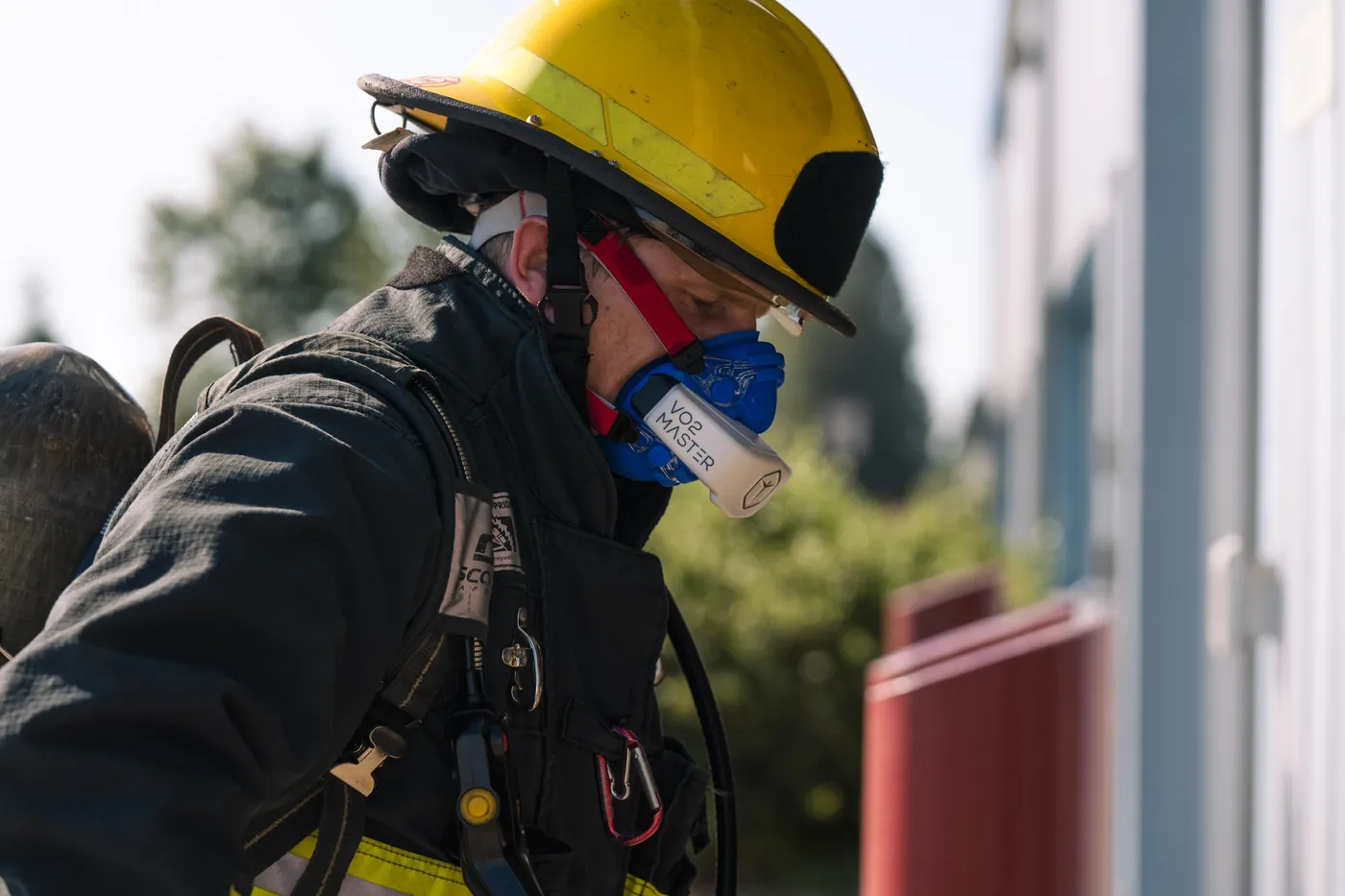
VO2 Master Analyser
Measured by gas exchange, not estimated
Two tests, one metabolic picture
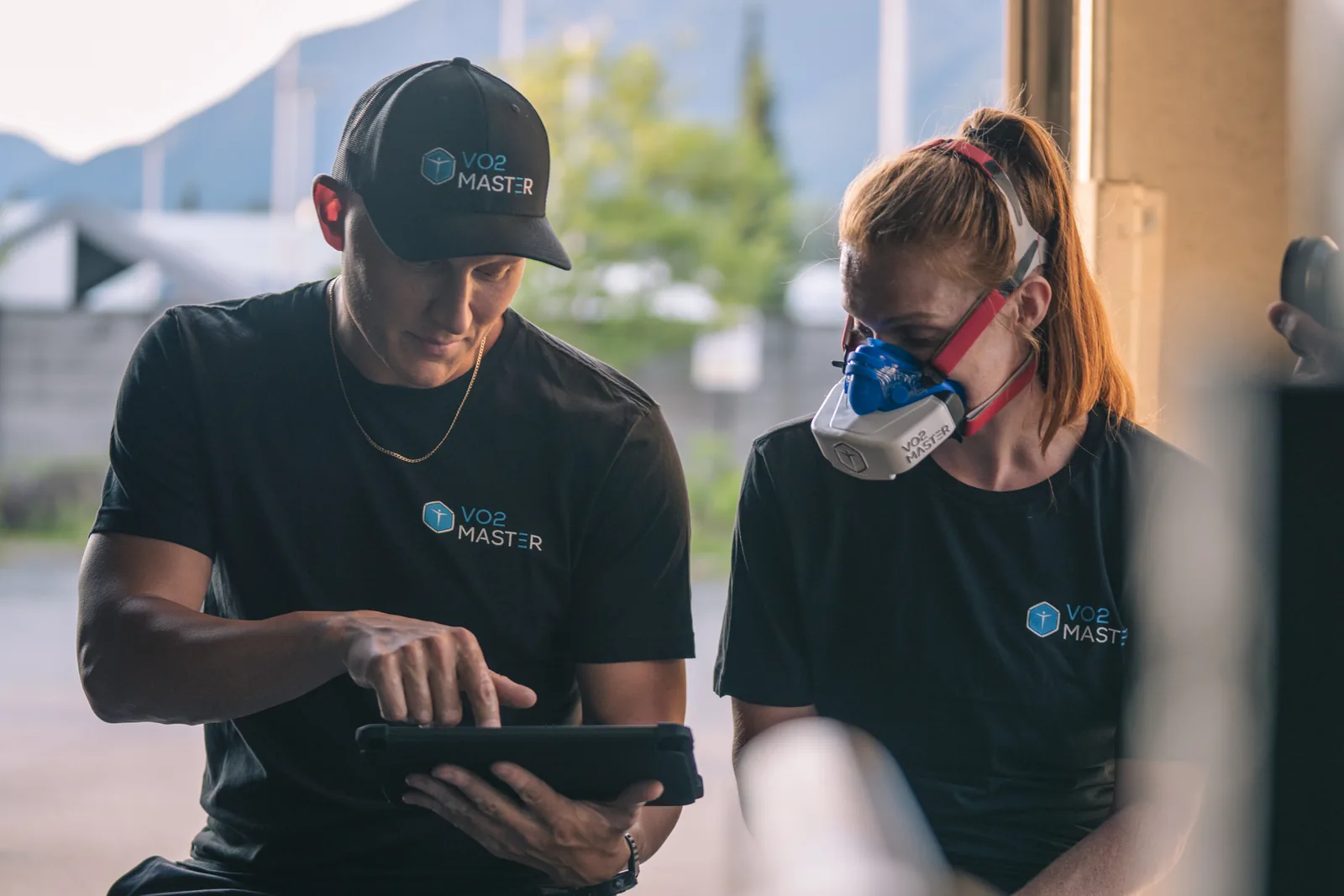
The analyser sits on the mask and reads every breath as you take it: oxygen consumed, ventilation, tidal volume, breathing frequency. Nothing is inferred from your heart rate or your weight. What you see on screen during the test is your own gas exchange, second by second.
What We Offer
VO₂ Max Test
VO₂ max is the most oxygen your body can take in, move and use in a minute. Think of it as engine capacity: a bigger engine cruises comfortably where a smaller one is redlining. It is measured, not guessed, by analysing the air you breathe out while the work gets progressively harder.
Why measured beats estimated
Your watch, your treadmill and the calculator on a nutrition app all infer metabolism from heart rate, speed, age and bodyweight. None of them measure the one thing that actually defines it: the oxygen you consume and the carbon dioxide you produce. Here is what the validation research reports.
Combined assessment
Fat loss is energy in against energy out. The RMR test tells you what your body actually spends at rest, so your calorie target starts from a measured number rather than a formula. The VO₂ max test tells you which intensities burn fat fastest and which build the engine. The two have opposite preparation needs, since RMR must be measured fasted while a maximal effort needs fuel in the tank, so we run the RMR first thing on arrival, then break for something to eat before the VO₂ max test later the same morning.
Your measured resting burn becomes the anchor for daily calorie targets, with no equation and no averaging you against a population.
Your thresholds define the zones: where fat oxidation peaks, where you build aerobic capacity, and where you are simply accumulating fatigue.
What you take home
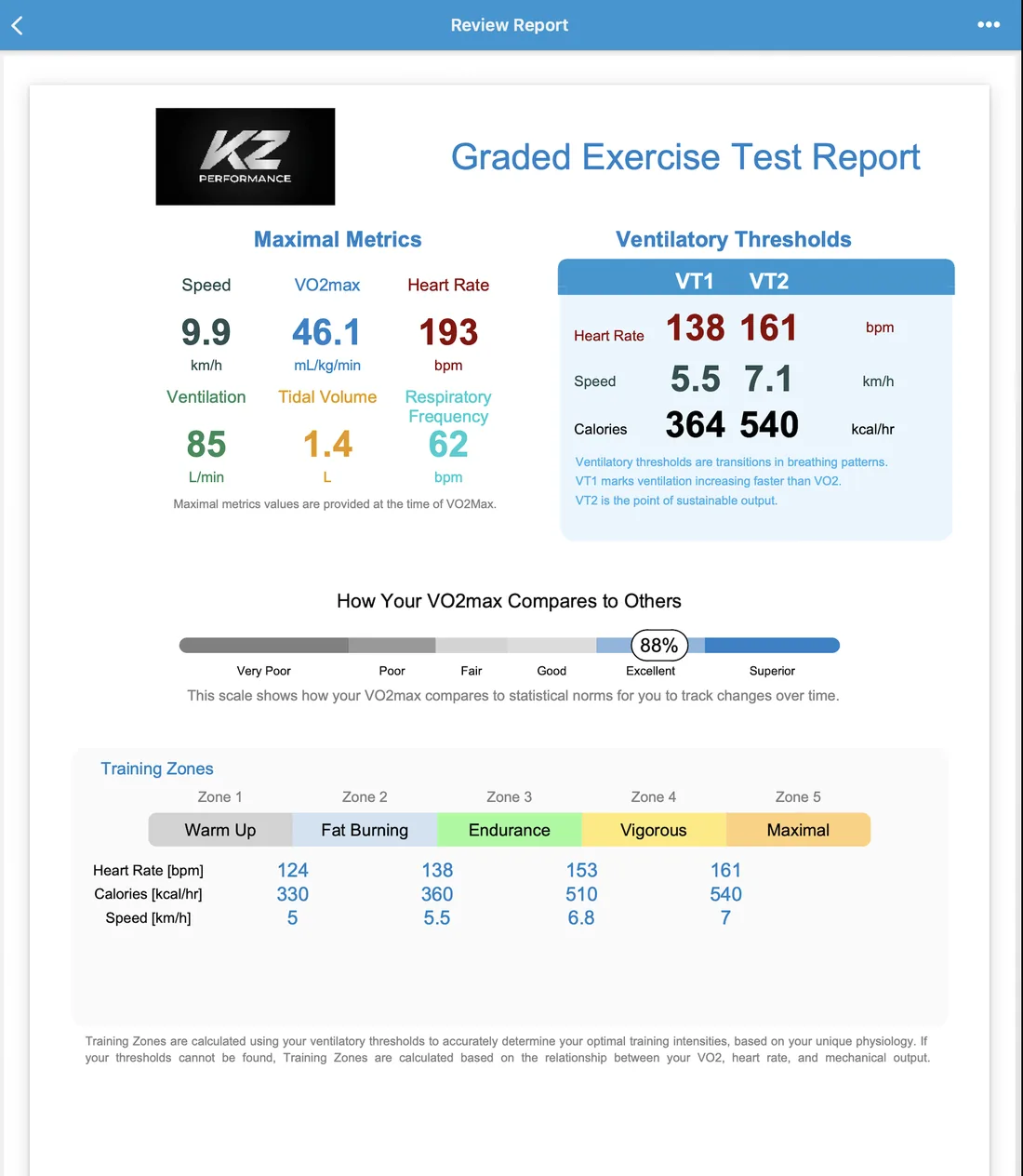
VO₂ max, maximal heart rate, ventilatory thresholds and five training zones with the heart rates, speeds and calorie rates that define them, plus where you sit against population norms for your age and sex. Delivered the same day, with a session to walk through what it means for your training.